The Alpine Stillness: Architecture Above 2,000 Meters
Published June 12, 2025 • Estimated Reading Time: 8 minutes
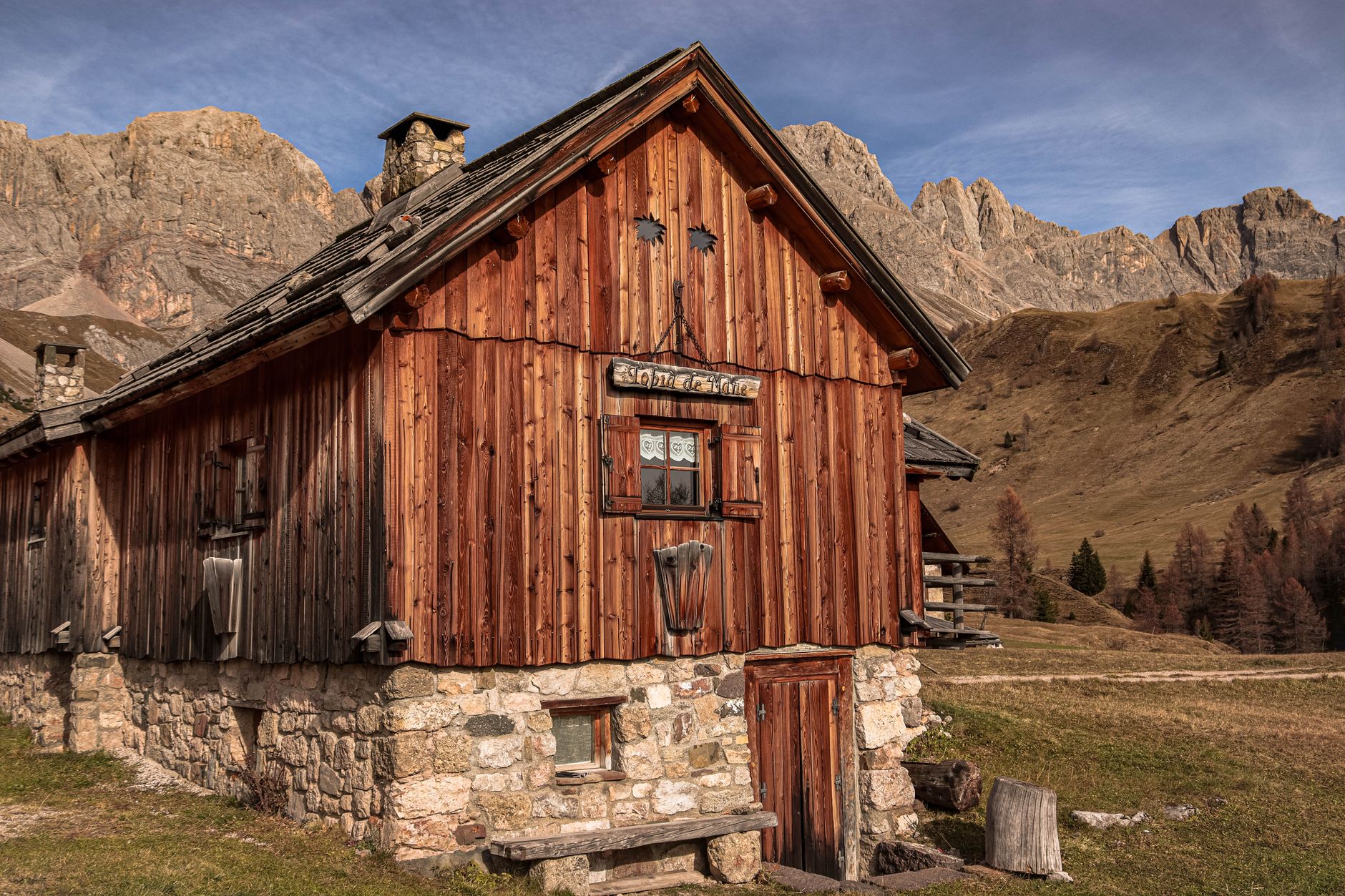
To stand at the crest of the Val di Funes as twilight settles is to experience silence as an architectural element. Here, where limestone monuments pierce the cloud line, high-altitude buildings have transformed from purely functional shelters into subtle works of spatial philosophy.
1. The Dialogue Between Timber and Stone
Modern alpine shelters no longer fight the severe elements with bulky concrete. Instead, architects employ locally sourced larch, charred cedar, and native porphyry stone that gracefully patinate under sub-zero winters. These contemporary refuges operate completely off-grid through geothermal probes and micro-hydro generation, preserving delicate tundra flora.
"The mountain does not require our monuments; it asks only that our shelter respects the horizon line."
2. The Art of the Slow Ascent
Experiencing these spaces requires intentional effort. Without vehicular roads, visitors arrive on foot after traversing winding switchbacks through fragrant pine forests. This deliberate transit resets the traveler's inner tempo, transforming an ordinary overnight stay into an introspective ritual.
- Optimal Observation Season: Late September through early November when autumn larch turns amber.
- Key Refuge Locations: Val Gardena and the high plateau of Alpe di Siusi.
- Architectural Highlights: Integrated passive solar glazing and reclaimed alpine pine interiors.
Plan a Dolomites Pilgrimage
Our concierge crafts personalized mountain refuge routes for solitary and accompanied travelers.