Quiet Rituals: Inside Kyoto’s Heritage Tea Sanctuaries
Published May 28, 2025 • Estimated Reading Time: 11 minutes
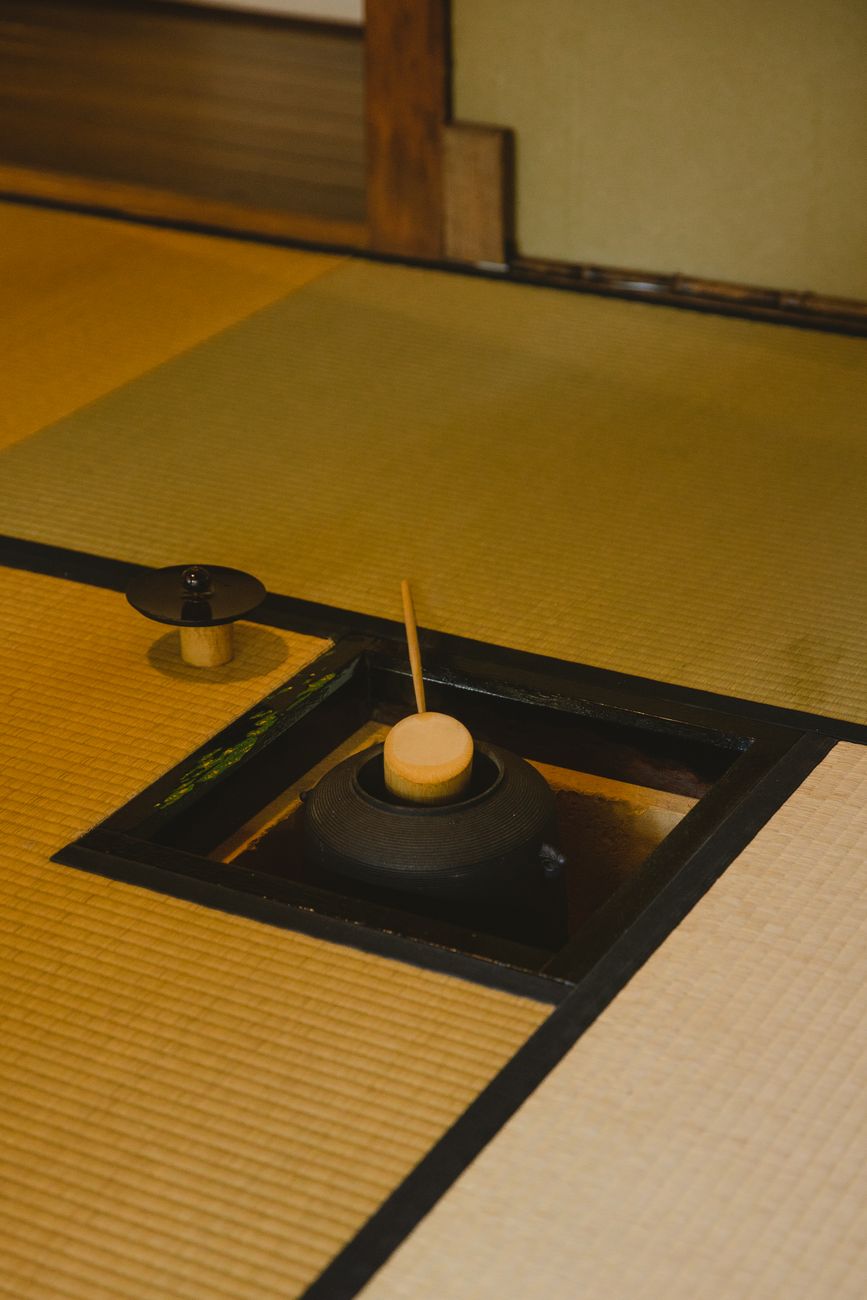
Beyond the bustling commercial thoroughfares of modern Kyoto lies an intricate world of timber machiya townhouses. In these private compounds, tea masters and traditional joiners continue a centuries-old dialogue rooted in simplicity and the poetics of impermanence.
1. The Architecture of the Chashitsu
A true Japanese tea chamber (chashitsu) measures modest dimensions, frequently no larger than four and a half tatami mats. The low crawling entrance (nijiriguchi) obliges every guest, regardless of social status, to bow low and leave earthly pretensions at the threshold. Inside, natural light filters through washi paper screens, illuminating the subtle imperfections of hand-thrown raku ceramics.
"In the tearoom, time ceases to march forward. It circulates gently, measured only by the whistle of the cast iron kettle."
2. Seasonal Sensibilities (Kisetsukan)
Every nuance of the ceremony reflects the surrounding climate: the species of seasonal charcoal, the arrangement of uncultivated wildflowers in bamboo vases, and the temperature of the water. Visitors are invited to awaken their senses to the whisper of rain on moss gardens.
- Etiquette Primer: Silence mobile communication devices and wear fresh white socks on tatami flooring.
- Recommended Districts: Daitoku-ji sub-temples and quiet alleyways of Kamigamo.
- Artisanal Souvenirs: Hand-carved bamboo chasen whisks from local artisan workshops.
Curate Your Journey to Kansai
Private introductions to historic Kyoto ateliers and secluded mountain monasteries.